Experience Crosslake MN Lake Life Through the Seasons
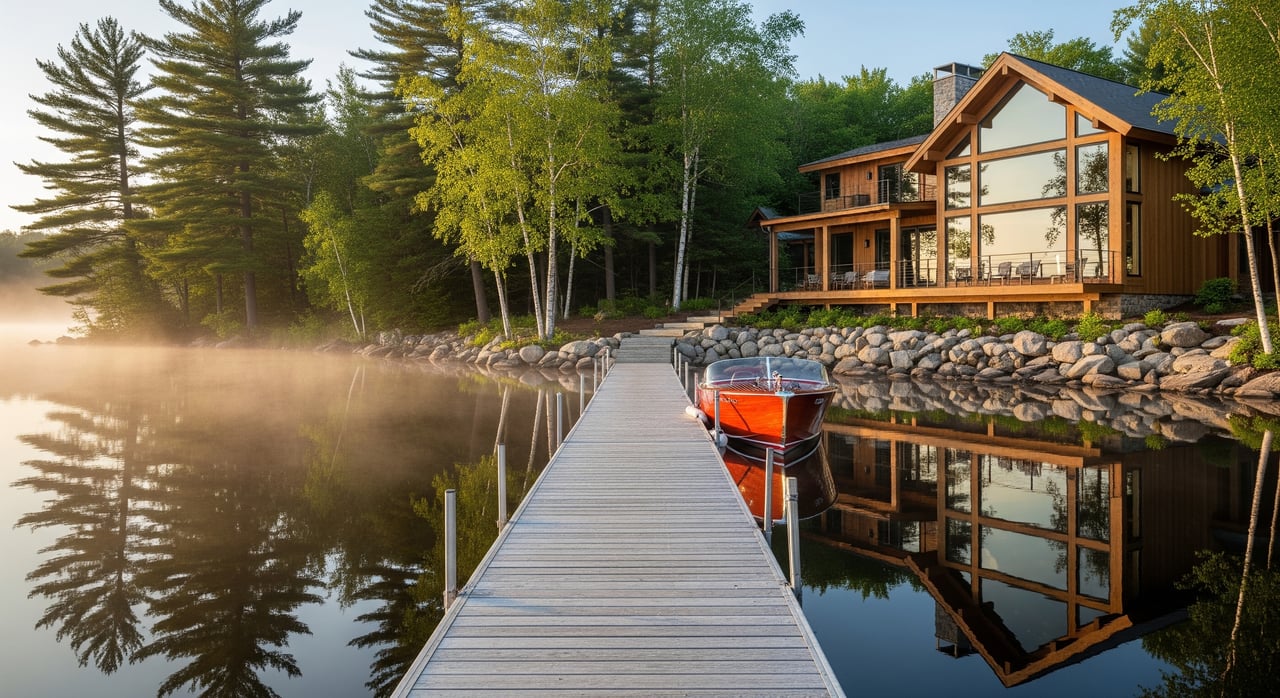
Sun on the water before breakfast. Lines in by midmorning. A slow pontoon cruise to dinner as the sky turns gold. If that sounds like your happy place, you’re not alone. Crosslake draws people who want an easy rhythm by the lake with just enough services nearby to make life simple. In this guide, you’ll see what everyday lake life actually feels like here, plus the rules, seasons, and practical tips you need to plan a visit or a purchase. Let’s dive in.
Picture this: You step onto the dock with coffee while early anglers idle past in the channel. By late morning, the kids jump from the swim ladder and paddle along the shoreline. Afternoon brings a wakeboard session or a pontoon loop to a friend’s place. As the wind calms, you drift and watch loons call. Night ends at the fire ring under a clear sky. That is a typical July Saturday in Crosslake.
In peak season, the town hums. Stores extend hours, marinas buzz, and traffic on the water builds through midday. Weekdays feel calmer, but you will notice more visitors and second-home owners around town. Plan errands early and save boat fueling for mornings or after dinner when docks are quieter.
From pontoons and runabouts to personal watercraft, boating is the heartbeat of summer. Many lakefront homes have private docks, and public launches make it easy to get on the water. If you plan to rent or store a boat, local marinas offer seasonal services and winter storage.
Dock rules and shoreline work are not one-size-fits-all. Shoreland standards and permits are set at the county and state level. Review shoreland and permitting guidance with Crow Wing County planning and zoning before you add a lift or expand hard surfaces.
Walleye, northern pike, bass, and panfish keep anglers busy from ice-out to freeze-up. Winter brings shelters and quiet mornings on the ice. Regulations, seasons, and lake-by-lake details change, so check the Minnesota DNR fishing information and regulations before you go.
If you are new to the area, a half-day with a local guide shortens the learning curve. You will learn where to focus, what presentations work, and how to navigate the channels safely.
Some lakes offer public swim areas, though many residents use their own docks and lakeside yards. Water clarity and vegetation shift by season and even from bay to bay. Plan to scout your preferred swim spot in both early summer and late summer to see how it changes.
You will find plenty to do when you step off the dock. Local trail systems support walking, biking, snowmobiling, and cross-country skiing. Neighborhoods often have informal loops for evening strolls, and regional trails connect nearby lake communities for easy day trips.
Come winter, groomed trails and fresh snow bring a different kind of freedom. Many residents keep a set of cross-country skis, snowshoes, or a sled in the garage for quick after-work laps.
Ice-out is the reset button. You will hear docks going in, lifts being tuned, and outboards humming after their winter nap. Fishing picks up fast, and weekend traffic builds as weather stabilizes.
This is high season. Expect busy boat lanes on weekends, popular restaurants at peak dinner hours, and fuller calendars with festivals and events. Midweek mornings are your best bet for quiet water and quick errands.
The pace eases and the colors peak. It is a great time to explore quieter bays, tune up the boat for storage, and knock out shoreline projects. Many seasonal owners start to close up or reduce visits by late October.
Ice fishing, snowmobiling, and cozy evenings define the season. Lakes freeze, docks and lifts come out, and driveway plowing becomes a routine. If you own a place, winterization and reliable heat matter more than anything.
Aquatic Invasive Species are a real concern in lake country. You are expected to clean, drain, and dry your boat and gear when moving between lakes. For current prevention steps and inspection protocols, review Minnesota DNR AIS guidance.
Boating safety is straightforward if you plan ahead. Life jacket laws, no-wake zones, and hours restrictions can vary by lake and season. Confirm any local rules through the DNR and city notices before a busy weekend.
Shoreland rules protect water quality. Setbacks, impervious surface limits, and septic standards apply to most waterfront and near-water lots. Before you add a boathouse, expand a patio, or regrade near the shore, check requirements with Crow Wing County planning and zoning.
Lake properties often use electricity plus propane or natural gas. Many homes rely on a private well and septic system, though some areas have municipal water or sewer. Broadband and cell coverage can vary by bay or ridge line, so verify service at the specific address with providers before you buy.
Plan for frozen-pipe prevention, reliable heating, and moisture control. Seasonal owners schedule fall and spring service for docks, lifts, and boats. Year-round owners line up snow removal and keep walkways safe. A little preparation saves costly midwinter emergencies.
You will find routine shopping and daily needs in town and in nearby regional centers. For specialty medical care, many residents travel to larger clinics and hospitals in the Brainerd area. School district boundaries vary by address, so verify enrollment details through district sites when you evaluate a property.
Driving is primary. Winter driving adds time, so build in buffers and follow plow schedules. For road updates and winter travel advisories, check MnDOT road conditions and travel information.
If you are traveling from out of state or the Twin Cities, plan arrivals to avoid peak Friday rush hours in summer. Sunday afternoons also see heavier return traffic.
Inventory typically includes classic cabins, updated year-round homes, and occasional condos or townhomes. Vacant waterfront lots appear, though they are less common and come with more permitting considerations. Second-home demand shapes seasonal inventory swings, so timing matters.
For current pricing and trends, ask for recent market data rather than relying on old headlines. The most useful snapshots come from local MLS feeds and broker reports specific to the Brainerd Lakes Area.
Shoreland zoning is central to any waterfront update. Expect rules on setbacks, lot coverage, vegetation, and stormwater control. Septic systems must meet standards, and some shoreline structures require permits or a variance. Start with Crow Wing County planning and zoning to understand your options before you design.
Common contingencies include septic inspections, well water testing, and shoreline erosion assessments. Many buyers also research the AIS status of a lake through the Minnesota DNR to understand current conditions and any inspection programs.
Lakeside homes may have higher insurance costs due to weather exposure and water-related risks. Flood insurance may be required in some areas based on elevation and floodplain maps. Property taxes vary by parcel, so review records through county property pages on Crow Wing County’s site and factor in any special assessments.
Use this to make the most of a scouting trip or showing.
If lake living in Crosslake fits your vision, you deserve a guide who knows the bays, rules, and rhythms. From first tour to closing, Mike Kennedy brings local insight, calm negotiation, and the marketing reach of Edina Realty so you can buy with confidence.
The more earnest money that the buyer deposits indicates to the seller a higher level of commitment.
Real estate investment is a long game, but can reap many benefits.

An Infrequently-used Mortgage Program to Help Free Up Cash

Mike offers advice on the best time to list real estate for Fall & Winter market in the Brainerd Lakes Area.

Easy ways to get to know people in the community.

How to Get the Most Out of Your Home Inspection

The shift to indoor living and holiday entertaining are right around the corner.

Increased property values offer many options.

Hiring the right moving company can make a big difference.
Mike offers years of proven experience successfully helping clients, buy, sell and invest in Lake Country Real Estate.