Leave a Message

Thank you for your message. We will be in touch with you shortly.

Shoreline Types Explained For Nisswa Lakefront Buyers

Shoreline Types Explained For Nisswa Lakefront Buyers

Ever step onto a lakeshore and realize the ground underfoot tells you everything about how you’ll use the water? In Nisswa and across Crow Wing County, shoreline type shapes your swimming experience, your dock setup, and how close your boat can safely come to shore. If you are shopping for a second home, learning this vocabulary makes showings faster and decisions clearer. In this guide, you’ll learn how sandy, gravel, rocky, and marsh-edge shorelines work in practice, what to look for during a showing, and where to check rules before you plan improvements. Let’s dive in.

Why shoreline type matters

Your shoreline determines daily lake life. The slope and substrate tell you how easy it is to wade in, where the bottom drops to swimming depth, and how far a dock must reach. Nearshore vegetation and underwater features affect clarity, safety, and the feel of the water at your feet.

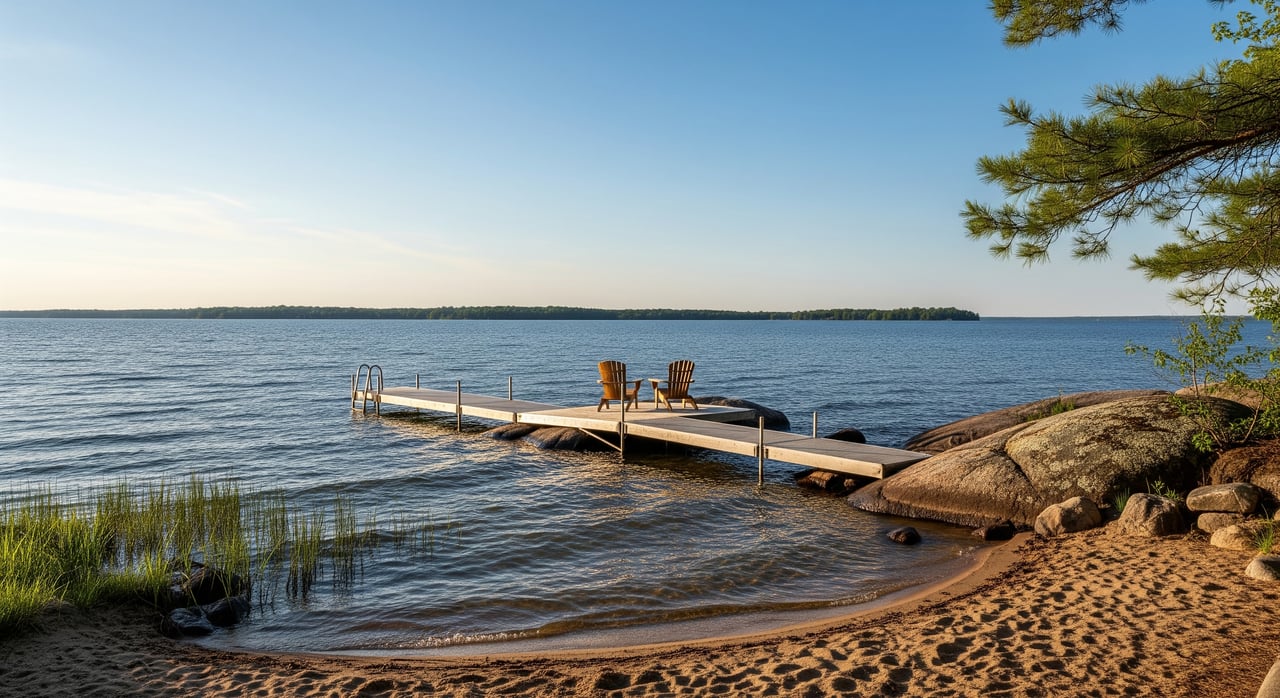
Shoreline also guides your dock plan. Some bottoms hold piling systems well. Others favor floating docks with anchors. Boat draft matters more than many buyers expect. A shallow, sandy bar can keep larger boats farther out, while a rocky ledge may offer quicker depth but requires careful approach.

There are permitting and environmental rules to consider in Minnesota. Shoreline alteration often requires approvals from county and state agencies, and wetlands are strongly protected. Understanding limits before you buy can save time and money later, and it will help you evaluate resale potential with clear eyes.

Shoreline types at a glance

Each shoreline type has a distinct feel, maintenance profile, and boating impact. Here’s how to assess what you see during showings around Nisswa.

Sandy shoreline

  • Description: A gradual slope with sand or fine sediments that often feels like a small beach. Shallow water here tends to warm more quickly in summer.
  • Swimming: Usually the most comfortable entry, especially for kids and casual wading. Fewer hidden snags and an easy walk-in experience.
  • Docking: Seasonal or floating docks work well. Depending on how fast the bottom drops, you may need a longer dock run to reach boat depth. Seasonal removal helps avoid ice damage.
  • Boat draft: Sandbars can keep larger boats from coming close. Pontoons, small aluminum boats, and shallow-draft craft do better near shore than heavier cruisers.
  • Maintenance: Sand can shift with waves and boat wakes. Expect grooming and possible replenishment if erosion is active. Loose sand discourages some weed attachment.
  • Buyer tips: Walk the littoral zone during the showing if allowed. Note the slope and where you hit chest-deep water. Ask if the seller has ever added sand or dealt with erosion.

Gravel shoreline

  • Description: A mix of sand and small stones or cobbles. Typically more stable than fine sand.
  • Swimming: Clear footing and good traction, though water shoes make it more comfortable. Often clear water near shore.
  • Docking: A firm base is helpful for certain piling systems and for anchoring floating docks. Watch for cobble bars that could snag props if you cut it too close.
  • Boat draft: Similar to sand in many spots. Depth can change quickly near drop-offs, so a depth check along the dock line is smart.
  • Maintenance: Lower erosion risk than pure sand. Usually a low-to-moderate maintenance shoreline.
  • Buyer tips: Wear water shoes and feel out the bottom. Ask about any known submerged boulders or prop hazards.

Rocky shoreline

  • Description: Larger stones, boulder fields, or exposed bedrock. Slopes are often steeper in glaciated lake country.
  • Swimming: Entry can be abrupt and slippery. Great for strong swimmers where depth comes quickly, but not ideal for young children.
  • Docking: Installation can be more complex and may require specialized anchoring. Floating docks with proper anchors or well-planned pilings perform best when designed for conditions.
  • Boat draft: Depth often increases fast, allowing larger boats to come closer. Be aware of sudden depth changes and rock shelves on approach.
  • Maintenance: Less erosion in many cases, but winter ice heave can be tough on docks if they are not set up correctly.
  • Buyer tips: Note where the shoreline is usable for swimming versus docking. Inspect how the existing dock is attached and ask about any history of ice damage.

Marsh-edge shoreline

  • Description: Emergent vegetation such as cattails or bulrush, with soft, mucky bottoms and shallow water that may extend quite a distance before hitting open water.
  • Swimming: Generally poor for casual swimming. Footing can be unstable and visibility lower.
  • Docking: Often requires a longer dock run or ramp to reach navigable depth. Floating systems are common when the bottom is soft.
  • Boat draft: Best suited to kayaks, canoes, and shallow-draft boats. Larger boats may not reach the shoreline without a long access channel.
  • Maintenance: Wetlands help stabilize shorelines and support wildlife. Altering them is tightly regulated and can be costly to pursue.
  • Buyer tips: Confirm whether the area is designated as wetland. Measure the distance to open water and evaluate if the current dock meets your boating needs.

Docks, lifts, and boat draft basics

When you picture your boat at the end of the dock, consider draft, exposure, and anchoring. A pontoon or fishing boat may be fine in a shallow sandy cove, while a deeper-hull boat may need a longer dock to reach depth. On rocky shores, you may have fast access to deep water but need careful anchoring to avoid ice and wave damage.

Floating docks are versatile for shifting water levels or soft bottoms. Piling systems work well on firm sand or gravel. The right choice depends on bottom type, fetch and wave action, and your winter removal routine. Ask for records on how the existing dock performs during high-water springs and freeze-thaw cycles.

Crow Wing County rules and environmental factors

Minnesota and Crow Wing County use shoreland zoning to guide setbacks, structure placement, and impervious surface limits. Work that alters the shoreline, including riprap, grading, or filling, often requires permits. Wetlands and emergent vegetation are protected, and seasonal work windows may apply for in-water projects.

Shoreline buffers of native vegetation help control erosion and filter runoff. Hardening shorelines with rock or walls can reduce erosion in specific spots but may affect habitat if not designed and permitted correctly. Before planning changes, check with Crow Wing County Land Services for parcel-specific rules, and consult Minnesota Department of Natural Resources resources such as LakeFinder for depth contours, water clarity, and aquatic plant information.

Aquatic invasive species rules are also important. Clean, drain, and dry your watercraft and gear when moving between lakes, and confirm any local ordinances that affect dock or lift transport.

Showing checklist for Nisswa buyers

Bring comfortable shoes and plan to look at both land and water. This quick checklist helps you compare properties with confidence.

  • Shoreline profile and slope

    • Is the approach gradual or steep?
    • Where does the bottom transition to swimming depth?
  • Underwater substrate and hazards

    • Sand, gravel, rock, or muck?
    • Any logs, stumps, or boulders that could affect swimmers or props?
  • Vegetation

    • How much emergent vegetation like cattails or bulrush is present?
    • What is the submerged plant density in the nearshore area?
    • Is there a natural buffer between the water and the lawn or structures?
  • Existing waterfront structures

    • Dock type: floating or pilings? How is it anchored?
    • Condition and age of docks, lifts, riprap, or retaining walls.
  • Access and boating

    • How close can your boat safely approach?
    • Is there a clear route to open water, free of bars or rock shelves?
    • If you need a public launch, where is the nearest option and what are the rules?
  • Signs of erosion or recent work

    • Exposed roots or undermined banks.
    • Fresh fill or rock that suggests recent changes. Ask for permits.
  • Seasonal considerations

    • Ice movement patterns, spring high water, and historic water-level swings.
  • Regulatory questions

    • Existing permits for docks, riprap, grading, or boathouses.
    • Any association rules on docks or moorings.
    • Wetland determinations and recorded setbacks from the ordinary high-water level.
    • Known aquatic invasive species on the lake and any current advisories.
  • Practical buyer tips

    • If swimming is a priority, try to visit when water levels resemble summer conditions.
    • Bring boat dimensions and draft so the seller or your agent can help assess feasibility.
    • Consider a local marine contractor or consultant to confirm depths and underwater hazards.

Costs, maintenance, and resale

Sandy beaches may require grooming and occasional replenishment. Gravel shores are often lower maintenance. Rocky sites can be durable but demand careful dock planning and seasonal removal. Marsh-edge parcels can reduce mowing and erosion concerns, though long docks and shallow access can raise costs.

The biggest cost drivers are shoreline hardening or rock placement, professional dock installation in challenging conditions, boathouse permitting and construction where allowed, and any wetland mitigation. Ongoing expenses can include weed control compliant with state rules, erosion repairs, dock maintenance, and invasive species prevention.

For resale, gentle sandy beaches tend to attract the broadest pool of buyers. Rocky and marsh-edge properties appeal to specific lifestyles such as angling, paddling, or wildlife viewing. If you buy a niche shoreline, plan to highlight those strengths when you sell.

How we help Nisswa lake buyers

Choosing between sandy, gravel, rocky, or marsh-edge frontage is about matching the shoreline to your lifestyle, budget, and boat. You deserve clear advice, local insight, and help navigating county rules and timing. Our team pairs deep Brainerd Lakes knowledge with a concierge approach so you can make a confident offer when you find the right fit.

If you are ready to compare waterfront options around Nisswa, reach out to Mike Kennedy. We will walk the shore with you, check depth maps and permits, and line up the right local contractors so you can hit the water with confidence.
FAQs

What shoreline type is best for family swimming in Nisswa?

  • Sandy shorelines usually offer the most comfortable walk-in entry and shallow play areas, though you should still check slope and water depth during a showing.

How does shoreline type affect my dock choice and cost?

  • Soft or mucky bottoms often favor floating docks, firm sand or gravel can support pilings, and rocky sites may need specialized anchoring that increases installation complexity and cost.

Can I add sand or riprap to improve my shoreline in Crow Wing County?

  • Many shoreline alterations require permits, and wetlands or emergent vegetation are protected, so contact county land services and review state guidance before planning any work.

Will a marsh-edge property work if I own a pontoon or ski boat?

  • It can be challenging since shallow, mucky bottoms often require long docks and restrict larger boat access; confirm depth to open water along the existing dock line.

Where can I find lake depth and aquatic plant information for Nisswa lakes?

  • Minnesota DNR resources such as LakeFinder provide depth contours, water clarity, aquatic plant information, and invasive species records to help you assess access and draft.

Work With Mike

Mike offers years of proven experience successfully helping clients, buy, sell and invest in Lake Country Real Estate.