Selling A Small Motel Or Inn In Brainerd–Baxter
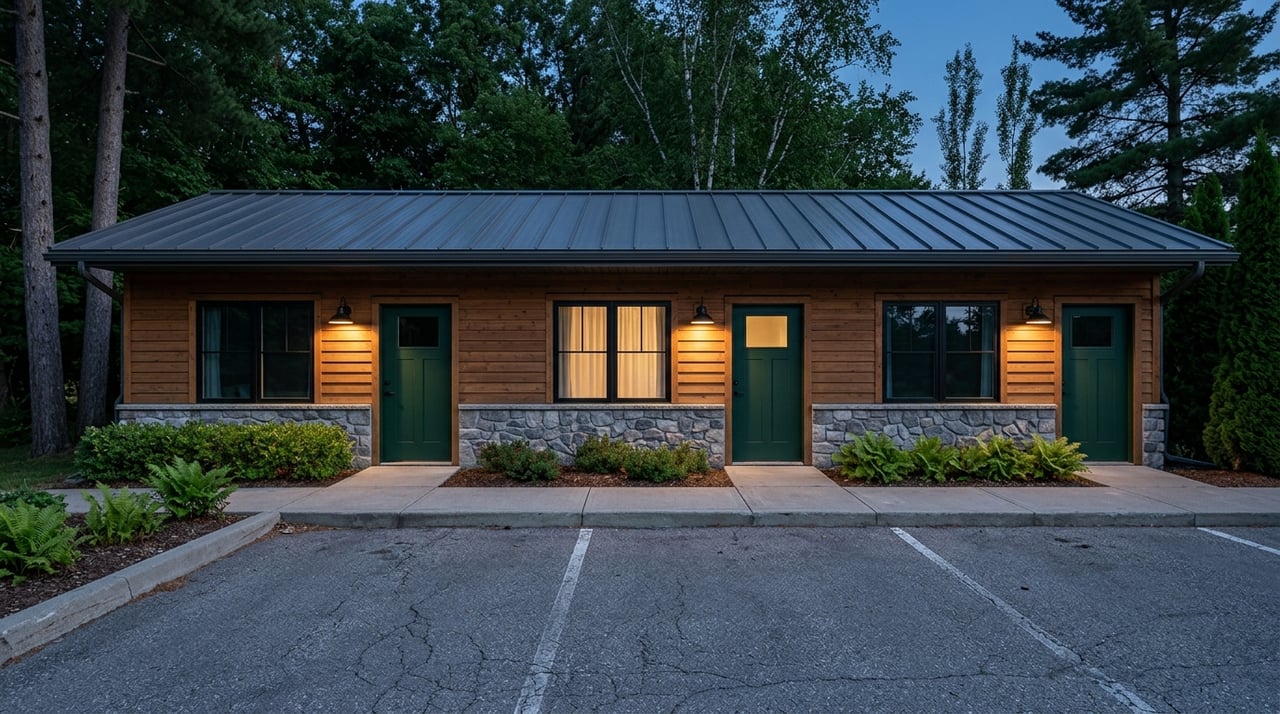
Thinking about selling a small motel or inn in Brainerd–Baxter? This is not the kind of property where buyers look only at square footage, curb appeal, and a price per room. In the Brainerd Lakes Area, a lodging property is usually evaluated as both real estate and an operating business, which means your numbers, records, and property condition all play a big role in the final outcome. If you want to attract serious buyers and move through the process with fewer surprises, it helps to know what matters most before you list. Let’s dive in.
Brainerd, Baxter, and the surrounding lakes area sit in a tourism-driven market. Explore Minnesota describes the region as a year-round destination shaped by lakes, golf, parks, events, and nearby communities, and Crow Wing County reports that tourism is a substantial part of the local economy.
That matters when you sell a motel, inn, or lodge. Buyers are not just buying a building. They are also looking at how the property performs during busy seasons, slower periods, and special-event windows across the year.
In a market like Brainerd–Baxter, seasonality does not automatically hurt value. What matters is whether you can clearly document it and explain the pattern in a way buyers and lenders can understand.
When a buyer reviews a small hospitality property, they usually focus on operating performance before they focus on finishes or décor. A nice-looking property helps, but the core question is whether the business makes sense.
For hospitality assets, the key metrics usually include occupancy, average daily rate, and revenue per available room, often called RevPAR. RevPAR is calculated by multiplying ADR by occupancy rate, and together these numbers help show how well the property turns available rooms into revenue.
Buyers and lenders also look at profitability trends, not just one strong year. They want to see whether income is steady, how expenses have been managed, and whether the operation has room for improvement or major repair costs ahead.
A serious buyer will likely ask questions like:
If your records answer those questions clearly, your property becomes easier to underwrite and easier to trust.
Even though buyers focus on income, property condition still matters a lot. Lenders and buyers often review age, condition, amenities, parking, and furniture, fixtures, and equipment replacement needs as part of underwriting.
That means small issues can add up quickly. Worn flooring, dated rooms, inconsistent housekeeping, peeling exterior paint, tired signage, and neglected parking areas can all affect how buyers view future capital needs.
Before listing, it often helps to walk through the property with fresh eyes. The goal is not to over-improve. The goal is to reduce obvious objections and show that the operation has been cared for.
Before going to market, focus on items such as:
These updates can make your financial story more believable. A buyer is much more confident in your numbers when the physical property supports them.
One of the biggest mistakes sellers make is waiting until a buyer asks for records. In hospitality sales, organized documentation is not a bonus. It is part of the product you are selling.
A strong seller file should include at least three years of income and expense statements, business tax returns, current financial statements, and a current debt schedule. SBA 504 materials also call for balance sheets, income statements, tax returns, statements dated within 120 days, projected income statements, and a schedule of current debts.
For many buyers, the quality of your recordkeeping affects confidence almost as much as the numbers themselves. Clean, well-organized records can help reduce delays during due diligence and financing.
Prepare a file with items such as:
If the property has branded affiliation or outside management, buyers will also want to review those terms closely.
Hospitality buyers do not stop at profit and loss statements. They also want to know whether the business has been operated consistently and whether records support safe, orderly management.
In Minnesota, the State Fire Marshal provides log forms for emergency light testing, portable fire extinguisher testing, emergency generator testing, and staff training. Keeping those records current and accessible can help your property present as better managed.
This may seem like a small detail, but it can shape buyer confidence. A seller who has both financial and operational files in order often appears more credible from the start.
If your property has six or more guest rooms, Minnesota inspects hotels and motels every three years, with follow-up inspections until fire-safety violations are corrected and the property complies with the Minnesota State Fire Code. That makes fire-safety compliance an important checkpoint before buyer tours and lender review.
If you serve breakfast or any other food, you should also confirm whether separate food-service licensing or plan review applies. In Minnesota, lodging, food and beverage, and pool licensing can fall under different agencies depending on the location.
This is one reason hospitality sales need more prep than many standard commercial listings. A buyer is not just evaluating your building. They are evaluating the operation’s readiness for continued use.
In Minnesota, lodging rules can affect your sale timeline. The Minnesota Department of Health says a property rented for periods of less than one week is licensed as a hotel or motel, while a resort license applies when a business offers lodging for five or more units with access to a recreational area.
Just as important, a lodging license is not transferable to the buyer. The buyer must obtain a new license, even if the property is already operating.
That can surprise first-time hospitality sellers. If the property was licensed during the year of purchase, MDH says the buyer may owe only half of the required fee, but the buyer still needs to apply and request a pre-opening inspection after closing.
You should expect buyers to ask:
Having these answers ready can help keep a transaction moving.
Tax setup is another detail that deserves attention early. Minnesota treats short-term lodging and related services as taxable, and lodging fees may also be subject to local sales taxes and city lodging taxes.
The Minnesota Department of Revenue local tax chart shows local sales and use tax entries for both Brainerd and Baxter, along with a Crow Wing County transit sales and use tax. For a seller, that means the exact tax setup should be confirmed for the specific property address rather than assumed.
Minnesota law also allows a city or town to impose a lodging tax up to 3 percent on gross receipts from hotels, motels, rooming houses, tourist courts, or resorts, subject to local ordinance. In practice, the important question is whether a local lodging tax is actually in effect at your property.
In a tourism-heavy market like Brainerd–Baxter, revenue often rises and falls with visitor patterns. That is normal, but buyers and lenders still need context.
Hospitality underwriting specifically considers revenue seasonality. If your property has strong summer occupancy, event-driven demand, or shoulder-season softness, those trends should be organized into a clear, factual story supported by records.
This is where local market knowledge can help. In the Brainerd Lakes Area, lakes, golf, trails, winter activities, and visitor events all shape demand, so your performance often makes more sense when shown in that local context.
A small motel or inn sale is often best positioned as a going concern rather than as a simple building sale. That means the value may include real estate, personal property like furniture and equipment, and intangible items such as goodwill, contracts, and operating systems.
Because of that, your marketing and due diligence package should explain more than location and room count. It should help a buyer understand how the property runs, what systems are in place, and what supports current performance.
This is especially important in Brainerd–Baxter, where local demand drivers and seasonal rhythm can make a major difference in how a buyer sees opportunity.
Selling a hospitality property usually requires more than standard listing prep. You need a plan for organizing financials, presenting seasonality clearly, preparing for licensing questions, and qualifying buyers who can actually close.
That is where local experience matters. In the Brainerd Lakes Area, a broker who understands tourism demand, investor expectations, and hospitality operations can help package the asset more effectively and keep the process focused on serious opportunities.
Mike Kennedy Group brings that mix of local knowledge, hospitality niche experience, and high-touch service to sellers across the Brainerd Lakes Area. If you are thinking about selling a small motel or inn and want a clear, well-prepared strategy, connect with Mike Kennedy to start the conversation.

The more earnest money that the buyer deposits indicates to the seller a higher level of commitment.

Real estate investment is a long game, but can reap many benefits.

An Infrequently-used Mortgage Program to Help Free Up Cash

Mike offers advice on the best time to list real estate for Fall & Winter market in the Brainerd Lakes Area.

Easy ways to get to know people in the community.

How to Get the Most Out of Your Home Inspection

The shift to indoor living and holiday entertaining are right around the corner.

Increased property values offer many options.

Hiring the right moving company can make a big difference.
Mike offers years of proven experience successfully helping clients, buy, sell and invest in Lake Country Real Estate.