Pequot Lakes Real Estate Market: Inside the $28 Million Building Boom
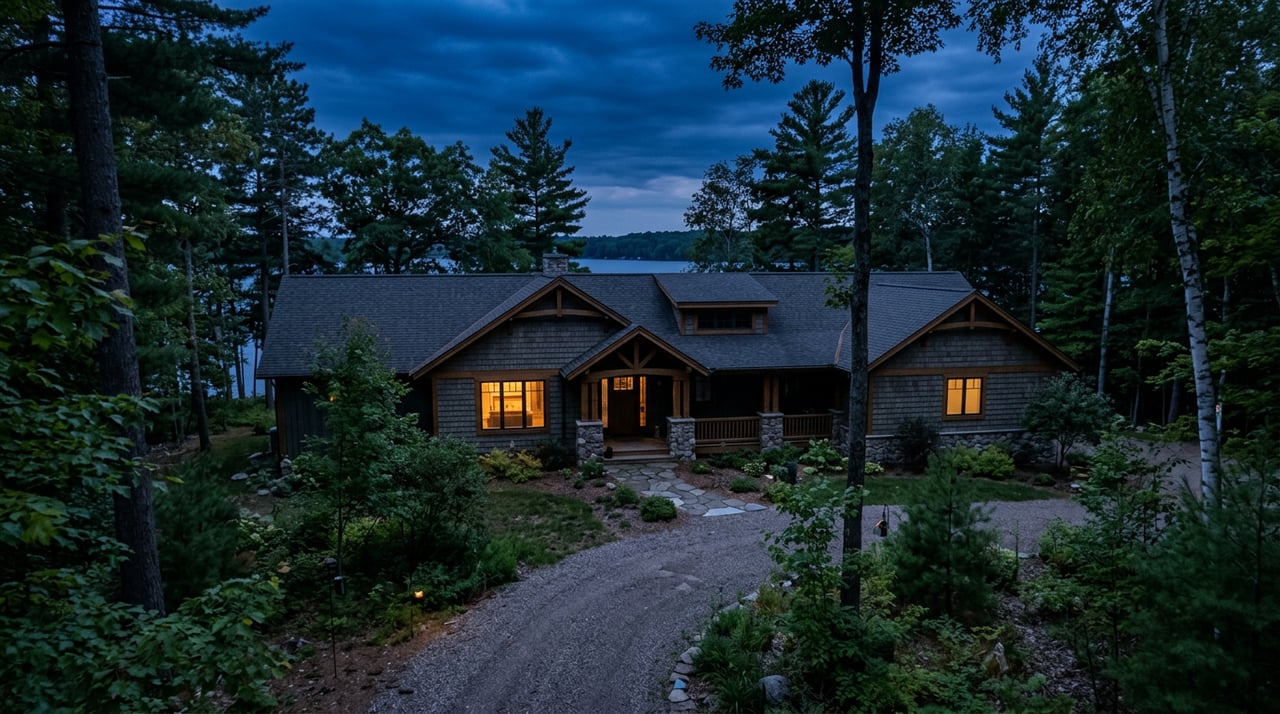
On August 26, 2026, a small crowd gathered on a stretch of land just west of Highway 371 in Pequot Lakes to break ground on two projects that will change what this town looks like by 2027: the Bobber Inn & Suites, a 69-room Wyndham hotel, and the Lofts of Pequot Lakes, an 82-unit apartment building. Pequot Lakes Mayor Tyler Gardner was there. So was City Council member Scott Pederson, Administrator Emily Johnson, planning and zoning administrator Traci Pederson, and Tyler Glynn from the Brainerd Lakes Area Economic Development Corporation. Andy Allen, chief executive of Corner Lot Development, told the crowd the Brainerd lakes area is the only place outside Florida where his company is currently building.
One day earlier, in a budget meeting thirty minutes south in Brainerd, three Crow Wing County commissioners agreed they wanted to eliminate the very fund that helped make that groundbreaking possible.
That is the story worth understanding if you are comparing Pequot Lakes to other Brainerd Lakes Area towns right now. The construction is real. The financing tool behind it is not guaranteed to exist next year. And the price data everyone quotes at face value tells a more complicated story than a single number suggests.
Corner Lot Development did not fund these two projects alone. The company worked with the Crow Wing County Housing and Redevelopment Authority to secure just under $1.4 million from the Crow Wing County Housing Trust Fund, a revolving loan program built from taxpayer dollars and designed to help finance affordable and workforce housing across the county. As part of the loan terms, a portion of the Lofts of Pequot Lakes units carry rent controls tied to median income levels for Crow Wing County residents.
This was not Corner Lot's first project through this pipeline. The company had previously borrowed and repaid a $1 million loan for a project called the Lofts on Novotny, paying it back within two years. Eric Charpentier, executive director of the Brainerd HRA, has pointed to that repayment record as evidence the fund works the way it was designed to: money goes out, money comes back, and the fund keeps revolving into the next project.
The Housing Trust Fund itself is not new. Crow Wing County created it in February 2020, following state legislation passed in 2017 that encouraged local governments to establish these tools. At the time, county staff described it as an early move for a county outside the Twin Cities metro. It has since funded homebuyer downpayment assistance up to $20,000, rehabilitation loans up to $25,000 structured as 20-year, zero-percent deferred loans, and workforce housing assistance for employers matching employee downpayments.
On August 25, one day before the groundbreaking, county commissioners met to discuss the 2027 budget. The Housing Trust Fund request for the coming year was $400,000, the same amount the county has allocated most years since the fund's creation. Three commissioners, Paul Koering, Rosemary Franzen, and Jamie Lee, said they wanted the number at zero.
Commissioner Jon Lubke pushed back, pointing directly at the projects breaking ground the following day.
"So 86% of our total tax base in Crow Wing County comes from housing of some form or type."
Lubke argued the apartment building and hotel would not exist without the work of BLAEDC and the HRA, and said he could live with a reduced appropriation of $200,000 if a full $400,000 wasn't feasible this budget cycle. Commissioner Lee countered that he did not believe the fund's authorizing statute was ever meant to underwrite market-rate developments like a hotel and apartment complex, and that money should go toward repairing homes for people who already live in the county.
This is not a one-year disagreement. The board voted to zero out the fund for the 2026 budget as well, before commissioners later found room to keep it partially funded. The 2027 conversation is still unresolved as of this writing. A budget committee session was scheduled for September 10, with the next regular board meeting set for September 22.
For anyone evaluating Pequot Lakes as a place to buy, this matters more than most zoning disputes. The fund is one of the few financing tools that has actually produced new housing stock in a market where new construction has been scarce relative to demand. Whether that tool survives the next budget cycle affects whether projects like this one are a beginning or an anomaly.
Here is where the numbers get interesting, because they do not agree with each other in the way you'd expect from a town in the middle of a construction boom.
| Measure | What It Captures | Reading | Year-Over-Year |
|---|---|---|---|
| Zillow Home Value Index | Smoothed average across all homes | $354,560 (as of July 2026) | up 3.6% |
| Median list price, active listings | What's actually on the market right now | $455,000 (September 2026) | down roughly 5% |
| Typical days on market | How long listings sit before sale | around 120 days (early 2026) | steady |
A rising value index alongside a falling median list price sounds contradictory until you separate what each number is doing. The value index is a broad, smoothed measure of what homes across the entire market are worth, including ones that haven't changed hands recently. The median list price only reflects what's for sale this month, and that figure shifts based on which specific homes happen to be listed, not on some underlying change in what the town is worth.
Put simply, the value of Pequot Lakes real estate held up. What changed is the mix of homes currently on the market. And the 120-day median time on market tells you this isn't a town where sellers are panicking or where buyers are getting into bidding wars. It's a market where a considered buyer has room to look, compare, and negotiate, and where a seller who prices a home accurately still finds a motivated buyer without needing to chase the market down.
That patience matters when you're weighing Pequot Lakes against the more expensive chain-of-lakes markets to its north and south. You are not paying a premium for speed here. You're paying for a school district, a downtown, and now, a hotel and an apartment building signaling that a development company with options across two states chose to build in this specific town twice.
If you're the kind of buyer who has already seen the median price on a portal and wants to know what's underneath it, here's the honest read. Pequot Lakes is in the middle of a real transition from a seasonal, resort-adjacent economy toward something closer to a year-round small city, with actual rental stock, hotel capacity that isn't a lake resort, and a housing authority that has proven it can get a revolving loan repaid.
That transition is being financed, in part, by a public tool that a majority of the county board has twice tried to defund. If the Housing Trust Fund survives the September 22 budget vote at anything close to its historical funding level, it's reasonable to expect more of this kind of development in the next few years. If the board succeeds in zeroing it out, Corner Lot's two current projects may end up being the high-water mark rather than the start of a trend, at least until another financing mechanism takes its place.
Either way, the softening median list price this September is not a sign to wait for the market to fall further. It reflects what's currently for sale, not what the town is worth, and a market with 120 days of typical time on market is one where a well-priced offer still has real leverage.
Does the new hotel and apartment building affect people looking for a lake home rather than a rental? Not directly. The Bobber Inn & Suites and the Lofts of Pequot Lakes sit near Highway 371, away from the lakefront corridors where most single-family and waterfront listings are concentrated. The more relevant signal for a lake-home buyer is what the projects say about the town's overall trajectory and the county's appetite for continuing to fund growth.
What happens to the Housing Trust Fund if the county eliminates it? Existing loans, including the one financing these two projects, would still need to be repaid under their original terms. What changes is the county's capacity to fund the next Corner Lot or the next homebuyer downpayment assistance request, since the fund's balance depends on that annual allocation being renewed.
Is Pequot Lakes shifting toward being a renter's market? Eighty-two apartment units and a 69-room hotel are meaningful additions, but they don't reflect a shift away from single-family and lake-home sales. They reflect a town adding the kind of housing stock that supports year-round workers and visitors, which tends to strengthen the broader local economy that single-family home values depend on.
If you're weighing Pequot Lakes against Nisswa, Crosslake, or another Brainerd Lakes Area town and want someone who's tracking these local details, not just the headline median, Mike Kennedy Group can walk you through what's actually happening street by street. Start Your Lake Search when you're ready to look past the numbers on a portal and talk to someone who lives here.
This article is general information, not legal, tax or financial advice. Consult a qualified professional about your situation.
The more earnest money that the buyer deposits indicates to the seller a higher level of commitment.
Real estate investment is a long game, but can reap many benefits.

An Infrequently-used Mortgage Program to Help Free Up Cash

Mike offers advice on the best time to list real estate for Fall & Winter market in the Brainerd Lakes Area.

Easy ways to get to know people in the community.

How to Get the Most Out of Your Home Inspection

The shift to indoor living and holiday entertaining are right around the corner.

Increased property values offer many options.

Hiring the right moving company can make a big difference.
Mike offers years of proven experience successfully helping clients, buy, sell and invest in Lake Country Real Estate.