Longville's Turtles Stopped Racing. Hackensack's Chainsaws Haven't Started Yet.
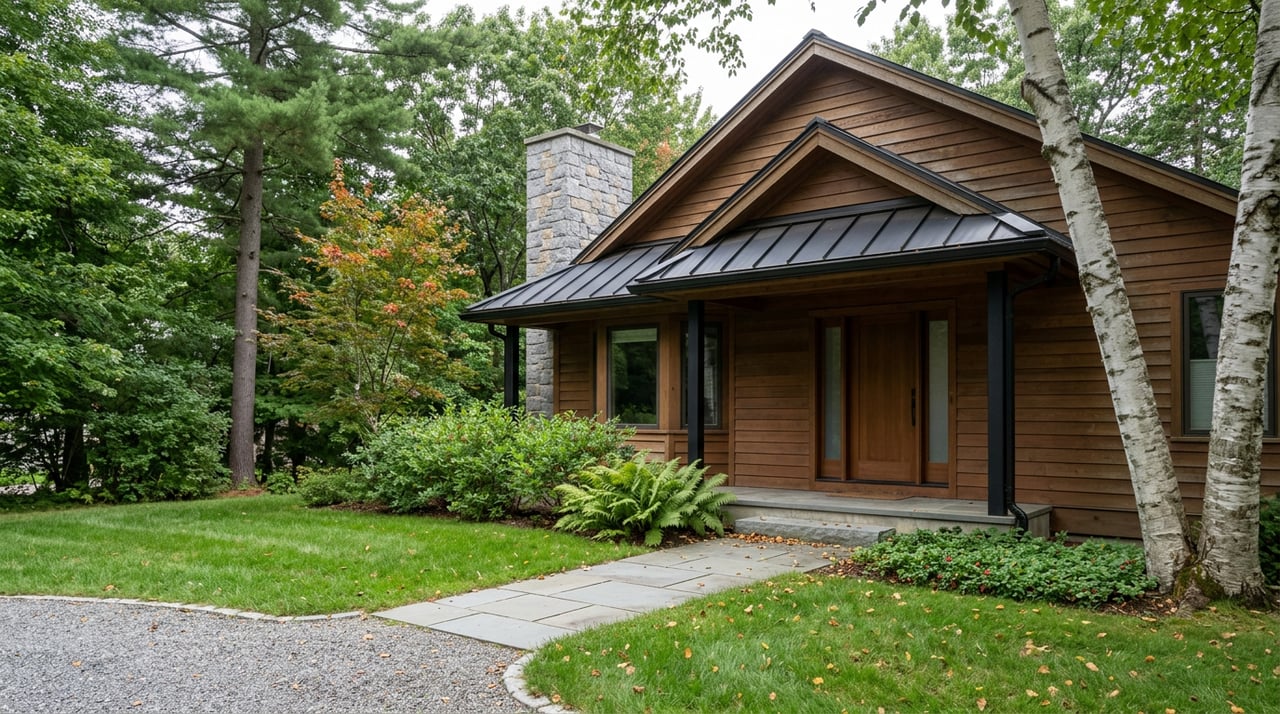
Drive through downtown Longville on a Wednesday afternoon in early September and nothing happens. No turtle mobile idling on Main Street, no volunteers roping off the block, no announcer counting down to a 2 p.m. release. For ten straight Wednesdays every summer since 1967, when a Longville saloon owner named Russ Nyvall started the races, this exact stretch of pavement has shut down for turtle racing. Now it's just pavement.
Up in Hackensack, the same quiet holds. The chainsaws that will fill downtown with sawdust and the buzz of a dozen carvers working logs into art haven't arrived yet. That happens the last weekend of September, this year September 25 through 27.
Right now, in the gap between those two traditions, this stretch of lake country offers a quieter side of local life.
The turtle races and the chainsaw carving aren't cousins. They're built on opposite logic, and comparing them side by side shows how differently each town organizes its summer around a single tradition.
| Longville Turtle Races | Hackensack Chainsaw Event | |
|---|---|---|
| Started | 1967 | More than two decades ago |
| Runs | Ten consecutive Wednesdays each summer | One weekend, late September |
| Format | Weekly heats, $5 entry, resort race then open race | 12 carvers, 90-minute quick carves, weekend auctions |
| What shuts down | Main Street, one afternoon a week | First Street between Murray and Lake, three days |
| Who it's built for | Vacationing families staying at Chamber-member resorts | Carving spectators, craft show shoppers, festival crowds |
The turtle races repeat all summer because they're designed to give a family staying at a Longville-area resort something to do on their Wednesday. The chainsaw event happens exactly once because it's a destination weekend, not a weekly habit. One is built for repeat tourism, the other for a single big draw. Between them sits everything else this area actually is when neither crowd has shown up.
That gap isn't hypothetical this week. Hackensack's Friday evening Lakeside Concerts at the Lions Pavilion, a Northwoods Arts Council series that ran weekly from June 19 through September 4, wrapped its final show just days before this was written. Longville's Music in the Park series at Salem Lutheran closed out its own summer run around the same point on the calendar. Two separate outdoor concert series in two separate towns, both finished within days of each other, both timed to Labor Day the way most seasonal programming here is.
What doesn't close down:
None of these are festival businesses. They don't need a turtle race or a chainsaw carver to justify being open on a Tuesday in September.
YoYo Donuts offers an example of a business operating year-round in the area.
Luke and Alise McGregor both grew up in the area. Luke graduated from Walker-Hackensack-Akeley in 1999. Alise graduated from Brainerd in 1998 and spent summers and holidays in Walker with extended family. In 2023 they bought the original YoYo Donuts location in Minnetonka and opened a second store in downtown Walker, then moved to the area themselves. They built a full production kitchen that now supplies the Minnetonka store with cakes and ice cream and ships baked goods to a bakery the McGregors also own in north Minneapolis. The operation has also sent donuts to the Minnesota Vikings training camp, a delivery notable enough that Sports Illustrated wrote it up.
The shop makes everything nut-free. The flavor list runs toward the specific rather than the safe: a Maple Bacon Long John, something called the Chocolate Zebra, a Crème Brûlée donut.
A donut shop that ships nationally out of a small Northwoods town isn't a novelty act for the tourist season. It's year-round infrastructure that happens to sell donuts.
YoYo Donuts is one example of the businesses operating beyond the tourist season; Hackensack's chainsaw weekend offers another view of the area's local calendar.
When the Hackensack Chainsaw Event does arrive September 25 through 27, it isn't a single attraction. It's a coordinated effort across most of the town's civic and business infrastructure at once.
The carving itself brings in about a dozen artists from across the country, working logs into finished pieces that get auctioned off over the weekend. The timed quick-carve format gives carvers roughly 90 minutes to finish a piece before it goes up for bid. Alongside the carving, the weekend includes the All-American Lumberjack Show, with log-boom racing, log rolling, and crosscut sawing, plus a craft show and food trucks lining the closed-off stretch of First Street.
Past Septembers have folded in more than the headline events. Rendezvous Brewery has used the weekend to debut a new beer and run team trivia. Faith in Action has held its booya fundraiser at Union Congregational Church at the east end of Lake Street. The Legion Auxiliary has served a hearty breakfast Saturday morning, and the Farmers Market has set up at the Hackensack Hub the same day. It's the kind of weekend when a church, a brewery, a Legion post, and a volunteer fire department all work the same three days.
The turtle races, by contrast, return for ten Wednesdays each summer.
The turtle races and the chainsaw festival mark two points in the area's seasonal calendar.
The time between them offers a quieter stretch. During this period, Frosty's serves regulars, The Woodpile has its morning crowd, and Deep Portage offers public programs. It's the stretch where a bakery that ships donuts to an NFL training camp is just the place you grab coffee on your way to work.
If you're already living somewhere between Walker, Hackensack, and Longville, this is the version of the area you actually get most of the year. The turtle races and the chainsaw carving are real, and worth catching if you haven't. But they're bookends, not the book.
If you're weighing a move into this stretch of lake country, or thinking about what it actually costs to own a slice of it long term, Mike Kennedy Group knows this area from the inside, quiet Septembers included. Reach out when you're ready to talk specifics.
The more earnest money that the buyer deposits indicates to the seller a higher level of commitment.
Real estate investment is a long game, but can reap many benefits.

An Infrequently-used Mortgage Program to Help Free Up Cash

Mike offers advice on the best time to list real estate for Fall & Winter market in the Brainerd Lakes Area.

Easy ways to get to know people in the community.

How to Get the Most Out of Your Home Inspection

The shift to indoor living and holiday entertaining are right around the corner.

Increased property values offer many options.

Hiring the right moving company can make a big difference.
Mike offers years of proven experience successfully helping clients, buy, sell and invest in Lake Country Real Estate.