How To Price And Present A Lake Home In Crosslake
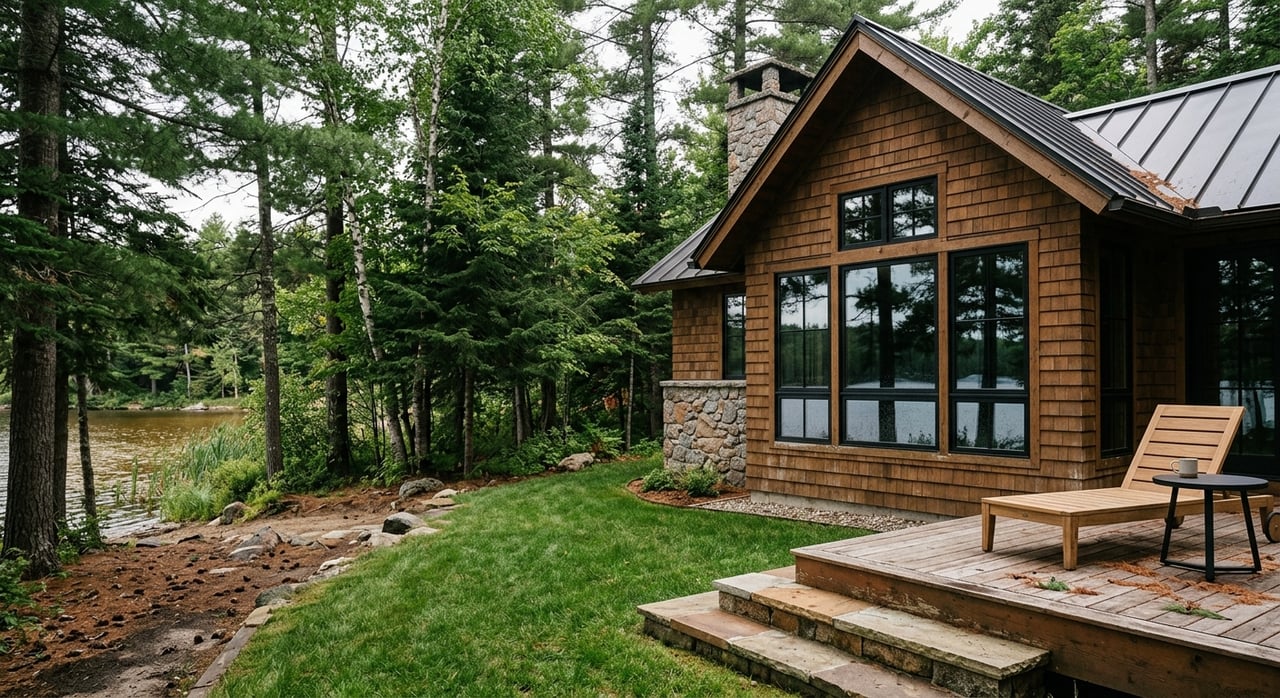
If you price a Crosslake lake home like a typical house, you can leave money on the table or lose valuable time on market. Selling on the Whitefish Chain and surrounding waters is different because buyers are not just comparing square footage. They are comparing shoreline, views, privacy, access, and the full lake-life experience. This guide will walk you through how to price and present your lake home in a way that fits the Crosslake market and helps you attract serious buyers. Let’s dive in.
Crosslake is not a standard subdivision market. It is a lake-destination market with year-round homes, seasonal cabins, and higher-end waterfront properties all competing in different ways.
That matters because broad citywide averages only tell part of the story. Early 2026 market snapshots pointed to a buyer-friendly environment with negotiation room, including a 133-day median days on market and average sale prices coming in slightly below asking. At the same time, median sale price data remained high, which shows how wide the range can be from one property type to the next.
For you as a seller, the takeaway is simple: your lake home should be priced against the closest possible comparable properties, not against Crosslake as a whole. A cabin on one shoreline, a year-round home on another lake, and a premium property with stronger frontage may all attract different buyers and support different pricing.
The best pricing strategy begins with the most similar waterfront homes available. That usually means looking at properties with a similar lake setting, shoreline type, lot shape, and level of finish.
In lake-country markets, parcel details have an outsized effect on value. Research on lake lots shows that frontage, lot depth, beach quality, and whether the site is lake-level or bluff-level can all influence price. Even though that study focused on vacant lots, the principle still applies clearly to improved waterfront properties in Crosslake.
When buyers evaluate lake homes, they often focus on features that do not show up neatly in a standard data field. They want to know how the property feels when they arrive and how easy it is to enjoy the water.
Key pricing factors often include:
A home with average interior finishes but excellent shoreline and easy water access may compete better than a larger home with a less usable lot. That is why precise comp selection matters so much in Crosslake.
Many sellers remember peak-period pricing and expect the same response today. But current Crosslake conditions suggest buyers have options and may negotiate more than they would in a tighter market.
Public snapshots from early 2026 showed homes in Crosslake selling roughly 1.5% to 2% below asking price on average. That does not mean you should underprice your home. It means you should price with discipline, using the strongest possible waterfront comp set and realistic adjustments for your lot, shoreline, and presentation.
If your home launches and buyers are not responding, pricing is often the first place to look. In a market where online screening happens fast, the wrong price can cause buyers to skip your property before they ever schedule a showing.
Watch for these warning signs:
In Crosslake, buyers are often comparing multiple lake options from a distance. If your price does not match the shoreline experience and overall package, they may move on quickly.
When it is time to prepare your property, start with the features that shape value most directly. Buyers are buying more than a house. They are buying time at the lake, ease of use, and the feeling of being there.
That means your pre-listing review should look beyond bedroom count and square footage. You want to understand what stands out about the site itself and whether those strengths are easy to see in person and online.
Before listing, take a close look at:
These are often the details buyers remember after a tour. They also shape whether a buyer feels your home is worth your asking price.
In Crosslake, many likely buyers begin online, including second-home buyers from the Twin Cities and out-of-area shoppers. That means your home’s digital presentation can influence whether someone books a showing at all.
National buyer research found that among internet users, photos were rated very useful by 66% of buyers, floor plans by 47%, virtual tours by 33%, and videos by 21%. Nearly half of interested buyers begin their search online, and homes that do not show well digitally can be passed over early.
You do not need a full renovation to make a strong impression. In most cases, the smartest updates are the ones that clean up visual distractions and put the lake setting front and center.
Focus first on:
The goal is not to make the home feel generic. The goal is to make the space feel easy to understand, easy to enjoy, and ready for the next owner.
Staging can help buyers picture themselves in the property, but it works best when done selectively. According to NAR’s 2025 staging profile, 83% of buyers’ agents said staging made it easier for buyers to visualize a property as a future home, and 60% said staging affected some buyers.
For a Crosslake lake home, the highest-impact rooms are usually the ones that connect directly to lifestyle and views. That means you should put your time and budget into the areas buyers are most likely to notice first.
A few thoughtful choices often go further than a full-house overhaul. Clean sightlines, lighter furnishings, and simple outdoor setups can help buyers focus on the property’s strongest selling points.
It is natural to think about trimming vegetation or reshaping the shore before listing. But lake property comes with rules, and making the wrong change can create unnecessary risk.
Crow Wing County says a permit is required for most dirt moving and vegetation alteration in shoreland zones. The Minnesota DNR also says intensive vegetation clearing is prohibited in shore impact zones, and only limited clearing may be allowed for views and access paths.
Because properties may fall under city, township, or county rules, verify the correct jurisdiction before starting any work. A more natural shoreline can still present well, especially when the rest of the property is clean, organized, and professionally photographed.
A safer approach is often to:
This protects you from permitting problems while still helping the property show well.
Lake-home buyers often ask more questions than traditional suburban buyers. That is especially true for second-home shoppers who may be evaluating your property from a distance.
A strong seller packet can make your home feel more transparent and easier to buy. It can also help reduce delays once a buyer is serious.
Minnesota law requires sellers to disclose the status and location of all known wells before a sale. Sellers must also disclose material facts that could adversely and significantly affect ordinary use or intended use of the property, and update disclosures if new information comes up before closing.
In shoreland areas, septic records matter too. Crow Wing County notes that most shoreland homes rely on septic systems and recommends regular maintenance, including pumping every one to three years.
Many Crosslake buyers are not driving past your home every weekend. They may be comparing properties from a laptop, then narrowing the list to just a few in-person tours.
That is why pricing and presentation need to work together. A strong price gets you into the buyer’s shortlist, and strong presentation helps your home hold attention long enough to generate a showing.
The most effective listings in this market usually combine three things:
When those pieces align, your home has a better chance of standing out in a market where buyers have time to compare and negotiate.
Selling a lake home in Crosslake is not about chasing a broad average or making every cosmetic change possible. It is about understanding what buyers value most in your specific property and presenting that value clearly.
If you start with the right comp set, focus on shoreline and lifestyle features, and prepare the home for digital-first buyers, you put yourself in a much stronger position. And when questions come up about pricing, presentation, or seller prep, local lake-country guidance can make the process smoother from start to finish.
If you’re getting ready to sell a lake home in Crosslake, Mike Kennedy can help you price it thoughtfully, present it professionally, and bring it to market with local insight and high-touch support.
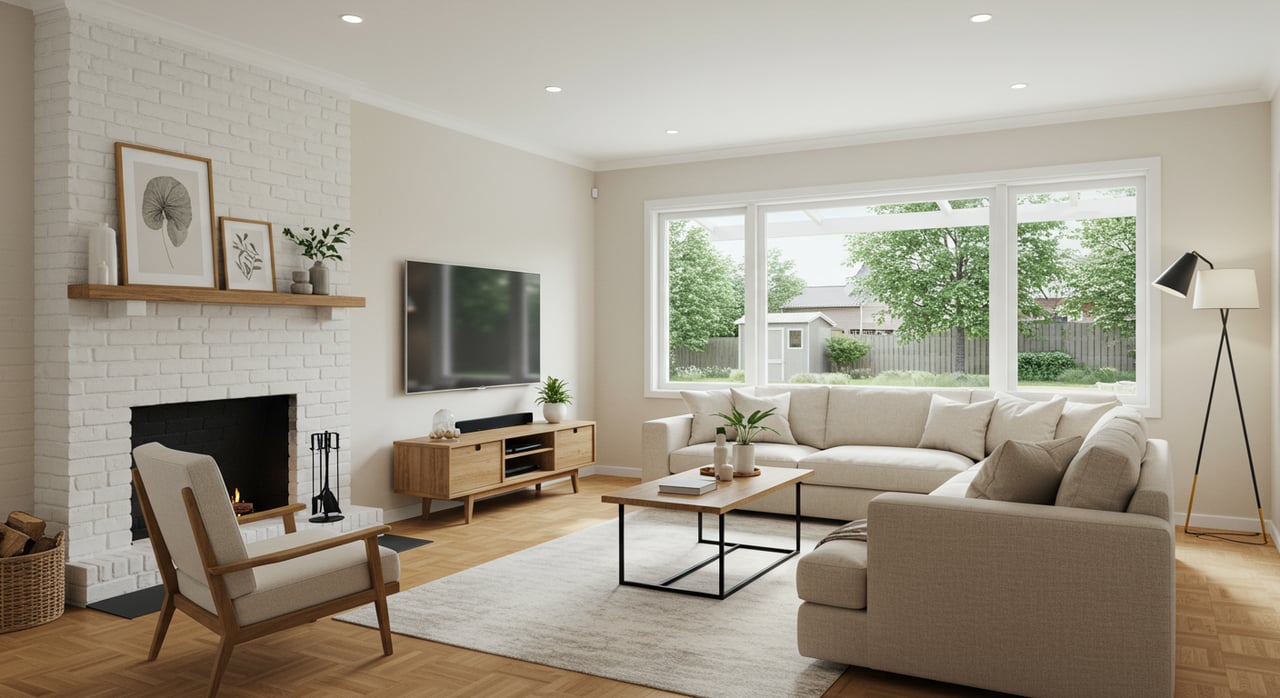
The more earnest money that the buyer deposits indicates to the seller a higher level of commitment.
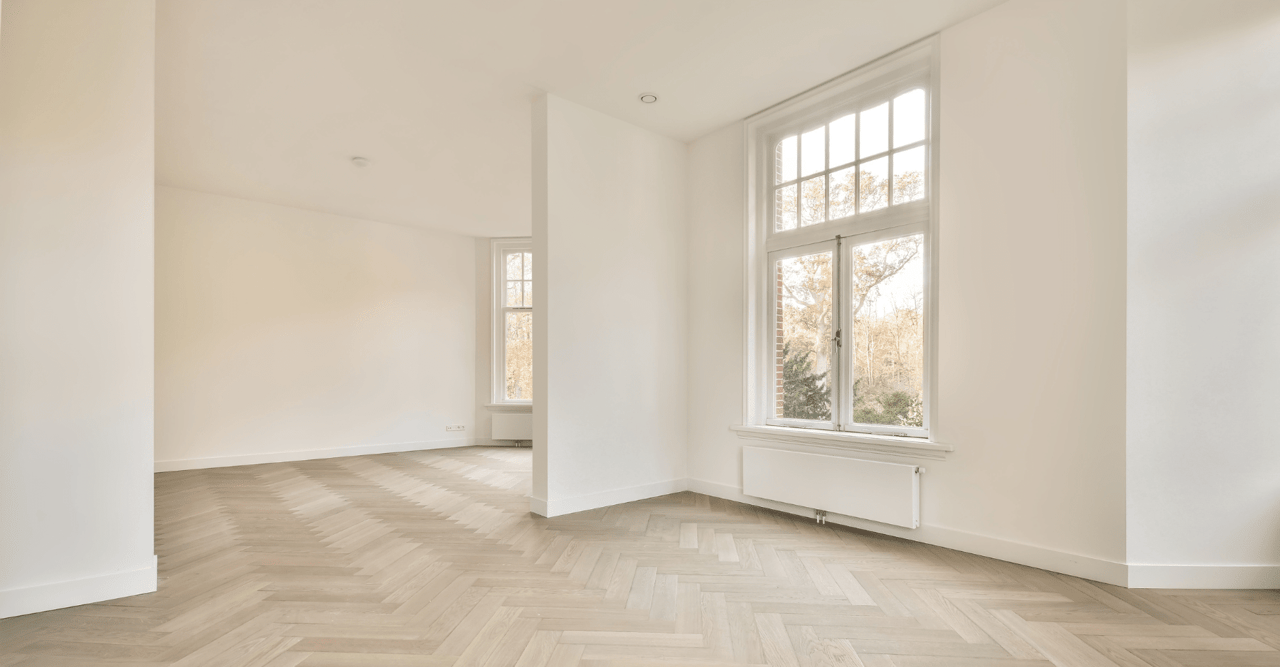
Real estate investment is a long game, but can reap many benefits.

An Infrequently-used Mortgage Program to Help Free Up Cash
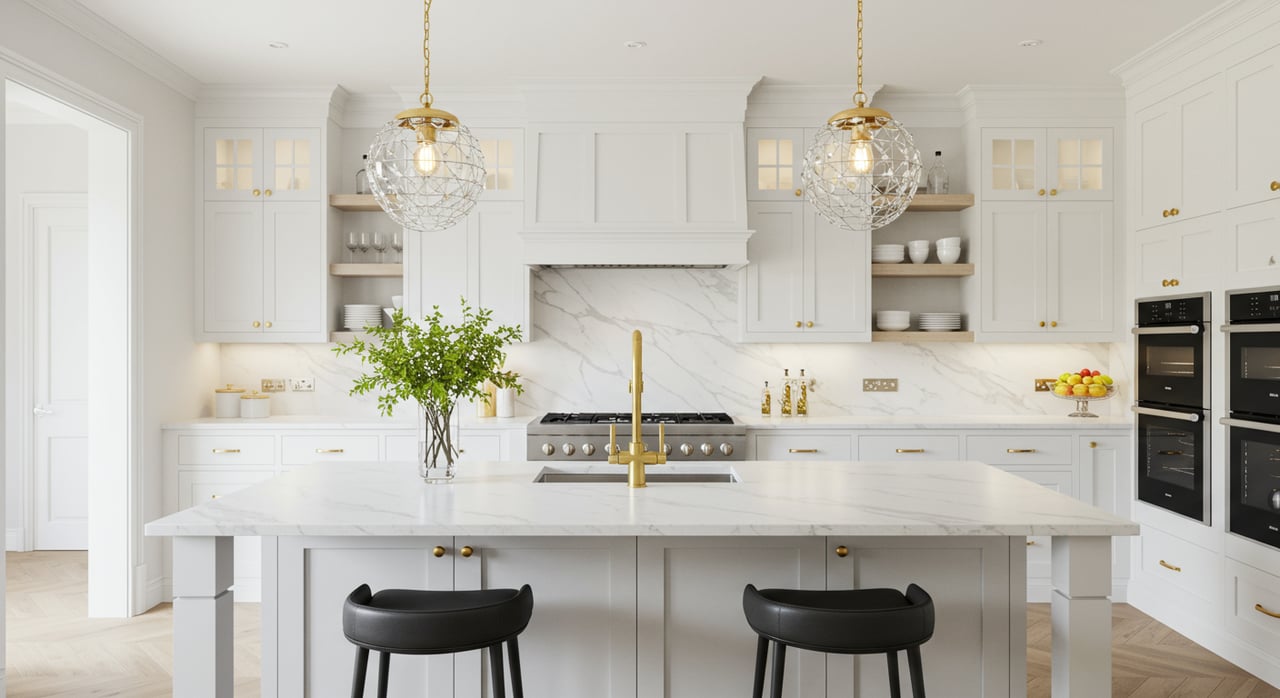
Mike offers advice on the best time to list real estate for Fall & Winter market in the Brainerd Lakes Area.

Easy ways to get to know people in the community.

How to Get the Most Out of Your Home Inspection

The shift to indoor living and holiday entertaining are right around the corner.

Increased property values offer many options.

Hiring the right moving company can make a big difference.
Mike offers years of proven experience successfully helping clients, buy, sell and invest in Lake Country Real Estate.