How Contract for Deed Works in Brainerd, Minnesota
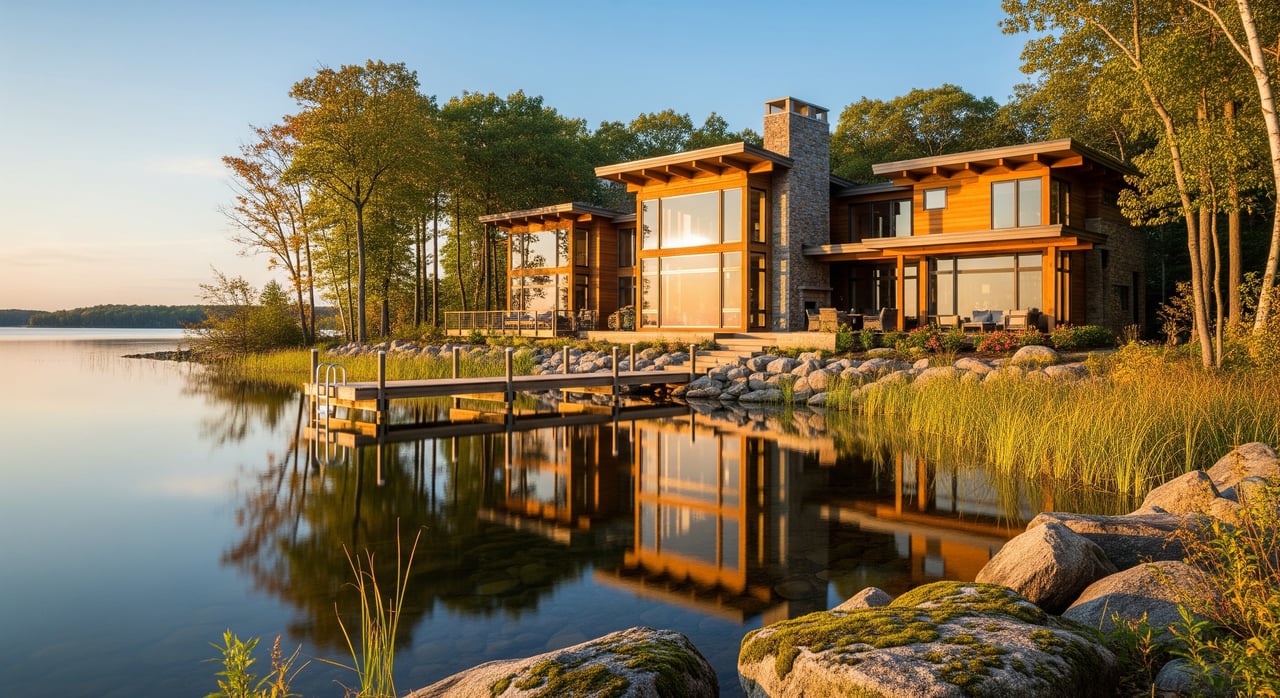
Wondering if a contract for deed could help you buy or sell in Brainerd? You are not alone. In a market with seasonal cabins, rural parcels, and unique properties, seller financing sometimes offers a path when traditional loans fall short. In this guide, you will learn how contracts for deed work in Minnesota, when they make sense in Crow Wing County, the risks to avoid, and practical steps to protect yourself. Let’s dive in.
A contract for deed is a seller-financing agreement. The seller keeps legal title while you, as the buyer, make payments and receive equitable title, which lets you possess and use the property. Legal title typically transfers after you finish the contract and meet all terms.
This is different from a mortgage. With a conventional mortgage, you get legal title at closing and give the lender a mortgage as security. With a contract for deed, the seller keeps title as security until you complete the deal. That difference can affect refinancing options, insurance arrangements, and how creditor claims are handled.
Recording matters. You can record a contract for deed in the county records so your equitable interest shows up in public records. Recording helps protect you against some later claims. In Crow Wing County, confirm recording steps and fees with the Recorder’s office before you sign.
Regulation exists. Federal consumer laws and Minnesota laws can apply to seller-financed transactions. Plan to involve local, licensed professionals who understand Minnesota contract-for-deed practice.
You might consider a contract for deed if you have trouble qualifying for a conventional loan because of credit history, self-employment, or a short credit file. It can also fit if you need to move quickly or want a property that lenders view as nonstandard, like a fixer, a seasonal lake cabin, or a small acreage parcel.
Sellers use contracts for deed to reach more buyers, speed up a sale on a unique property, or spread taxable gains over time. Some sellers also like the steady income stream from monthly payments.
In the Brainerd–Baxter area, these deals sometimes appear with lake cabins, rural land, and private-party sales. Frequency shifts with inventory, pricing, and lending conditions. Check current local data before deciding whether to offer or pursue this path.
Down payments and interest rates vary widely and are negotiated. Many sellers ask for a higher rate than market to offset risk. Strong deals often include an escrow for taxes and insurance and a third-party servicer or title company to collect payments and keep records.
Use a step-by-step plan to protect both sides:
Order a full title search. Confirm existing mortgages, tax status, liens, judgments, and easements.
Record the contract. File the contract for deed or a memorandum with the Crow Wing County Recorder to put the public on notice of the buyer’s equitable interest.
Use escrow for taxes and insurance. Have a neutral party collect monthly payments, pay taxes and insurance, and keep accurate ledgers.
Seek title insurance options. Ask a local title company about policies that insure the buyer’s equitable interest and endorsements that fit your situation.
Address the seller’s lender. Where possible, obtain an estoppel or lender consent, pay off superior liens, or secure subordination to reduce foreclosure risk.
Set clear default and cure procedures. Define late fees, notice timelines, and remedies in writing.
Plan a refinance timeline. If there is a balloon, set milestones for credit repair, income documentation, and lender pre-approval so you can refinance on time.
Verify local requirements. For lakeshore and rural parcels, confirm septic compliance, shoreland rules, and zoning so the property fits your intended use and insurance needs.
Get independent legal review. Have both parties work with Minnesota counsel experienced in contract-for-deed transactions.
In the Brainerd Lakes area, seasonal use and shoreland rules can affect your plans. Check septic system compliance, setback rules, and any restrictions on short-term or seasonal use. For rural acreage, confirm access and easements in the title report. These details can impact financing, insurance, and long-term value.
If you are buying a cabin, note that some seasonal properties do not fit conventional loan guidelines without updates. That is one reason contract for deed appears in cabin and small-acreage deals. Do your property due diligence upfront so you know what it will take to refinance later.
If you are weighing a contract for deed for a lake cabin, rural parcel, or unique home, you deserve clear guidance and a smooth path. Our team pairs local know-how with careful, concierge service so you can move forward with confidence. Connect with Mike Kennedy to talk through your goals and build a plan that fits.

The more earnest money that the buyer deposits indicates to the seller a higher level of commitment.

Real estate investment is a long game, but can reap many benefits.

An Infrequently-used Mortgage Program to Help Free Up Cash

Mike offers advice on the best time to list real estate for Fall & Winter market in the Brainerd Lakes Area.

Easy ways to get to know people in the community.

How to Get the Most Out of Your Home Inspection

The shift to indoor living and holiday entertaining are right around the corner.

Increased property values offer many options.

Hiring the right moving company can make a big difference.
Mike offers years of proven experience successfully helping clients, buy, sell and invest in Lake Country Real Estate.