Buying a Resort Near Walker, Hackensack, or Longville
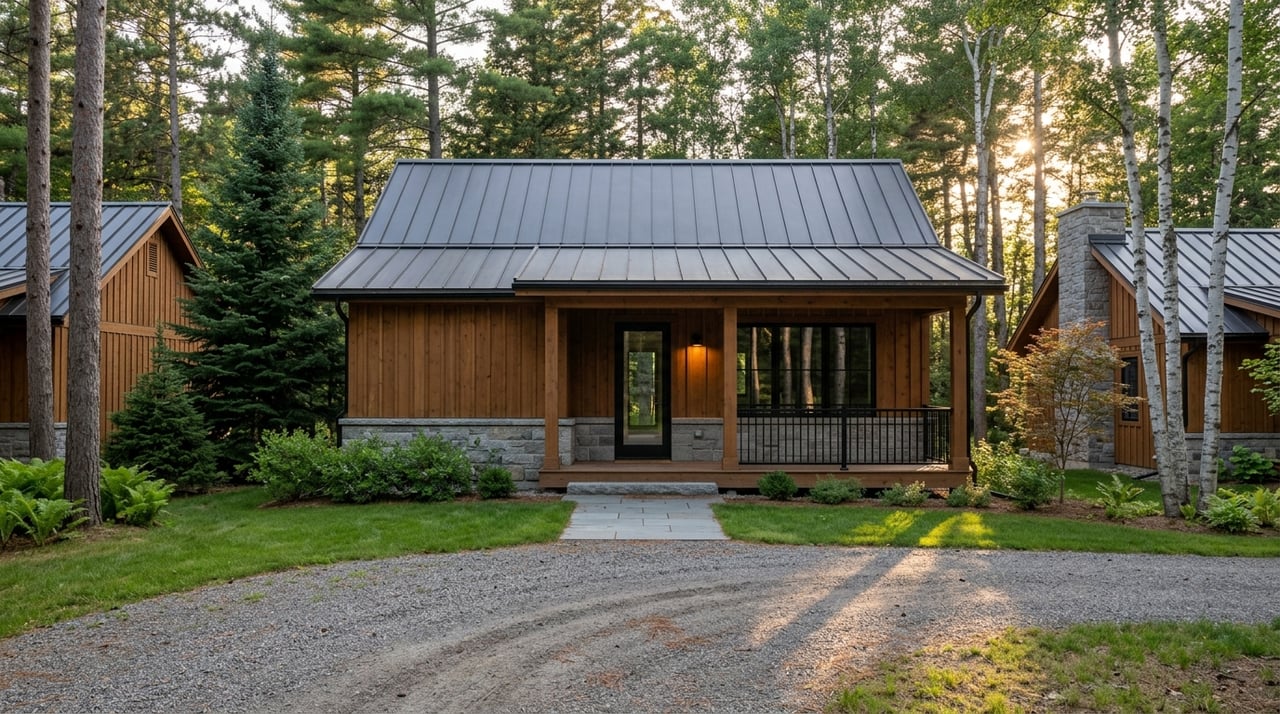
Thinking about buying a resort near Walker, Hackensack, or Longville? You are not alone. This part of Cass County is built around lakes, recreation, and seasonal travel, which makes resort property both exciting and complex to evaluate. If you want to know what really matters before you buy, this guide will help you focus on the local market, the property itself, and the rules that can affect your plans. Let’s dive in.
Cass County is not a one-off vacation market. It has about 2,300 miles of protected lakeshore, 2,200 miles of protected river shoreline, 16% of the county covered by lakes, rivers, and streams, and 1,362 parcels classified as resorts. That scale matters because it shows resort ownership is a recognized part of the local real estate landscape.
Walker, Hackensack, and Longville each sit within a recreation-driven corridor. Local tourism sources consistently highlight fishing, boating, hiking, biking, winter recreation, and year-round events. For you as a buyer, that means guest demand is often tied directly to how well a property connects visitors to the outdoor experience.
Before you get too deep into financials, look at whether the property fits the kind of guest demand this area attracts. A resort near strong fishing access may appeal to one type of traveler, while a property with easy trail access and year-round draw may appeal to another. The key is understanding whether the location supports more than a summer-only story.
In this market, guest experience usually starts with access and usability. That includes the shoreline, dock setup, boat handling, parking, and how easy it is for guests to enjoy the surrounding area. If a resort feels difficult to use, it may be harder to market no matter how attractive the setting is.
Resort income in this region is usually seasonal. Lodging prices in vacation areas often rise in spring, peak in mid-year, and decline in fall. That pattern is important because a property can look strong during peak months but tell a different story across the full year.
You should evaluate performance with conservative assumptions. A healthy-looking summer business does not erase shoulder-season slowdowns, weather variability, or operating cost pressure. If you are buying for income, it helps to underwrite for the real calendar, not just the best months.
A common lodging metric is ADR, or average daily rate, which measures room revenue divided by rooms rented. In a seasonal market, ADR should be viewed alongside occupancy patterns and the length of the active season. Looking at one number alone can give you an incomplete picture.
Operating margins also matter. Hospitality properties can face pressure from labor, insurance, utilities, and other ongoing costs. That is why many careful buyers build in room for capital expenses and avoid stretching too far based on optimistic projections.
A resort purchase is not just about cabins and curb appeal. The condition of septic, well, roofs, HVAC, and other guest-critical systems can have a major effect on value and near-term costs. In many cases, these systems are where a good-looking deal becomes a risky one.
Minnesota rules also make these systems especially important during ownership transitions and improvements. Septic compliance inspections may be used for new or replacement systems and for existing systems, and local governments may require inspections before transfer. That means you should treat wastewater compliance as a top-tier due diligence item, not a box to check later.
If the property uses a private well, testing should be part of your review. Minnesota guidance says private-well owners are responsible for regular testing and recommends annual coliform testing, annual nitrate testing, and at least one test each for arsenic and lead. For a resort operation, water quality is both a property condition issue and a guest experience issue.
This is one of the most important early questions. In Minnesota, a property is licensed as a resort if it provides convenient access to a recreational area and has five or more cottages, rooms, or enclosures for rent. If the property you are considering falls into that category, you need to understand the related licensing path.
Licenses are not transferable. That means you cannot assume the current owner’s license simply carries over to you at closing. If the lodging business was licensed in the year of purchase, only half of the required fee is due, but you still need to go through the proper process.
Some buyers focus on lodging and forget about the rest of the operation. Food service and public pools are licensed separately, and plan review can be required before remodeling or additions. If your business plan includes updates, expansion, or changing how amenities are used, those details should be reviewed early.
Cass County’s ordinance list includes a Land Use Ordinance, a Short Term Rental Ordinance, and a Subsurface Sewage Treatment System Ordinance. The county advises buyers or builders to contact Environmental Services before starting work if a permit may be needed. That is a practical reminder that local rules can directly affect your timeline and budget.
This matters even more in a shoreland setting. Minnesota shoreland is generally land within 1,000 feet of a lake or 300 feet of a river or stream, and those standards are administered locally. On-site sewage systems must meet state and local standards, so your review should include both existing compliance and what may be required if you make changes.
If you plan to add units, expand common areas, replace systems, or rework site circulation, shoreland and sewage rules may shape what is realistically possible. A property with expansion potential on paper may be more limited in practice. That is why entitlement and compliance review should happen before you finalize your assumptions.
If you are buying an operating resort, you are often buying more than land and buildings. The IRS notes that buying a trade or business usually means buying multiple assets that must be allocated separately, including certain intangible assets. That allocation can influence depreciation and your after-tax results.
Lodging tax is another item to understand. Minnesota charges sales tax on lodging stays under 30 days unless there is an enforceable written lease, and some localities may add their own lodging taxes. If you are projecting income, your tax treatment and collection obligations need to be clear from the start.
Because resort purchases blend real estate, business operations, and tax structure, many buyers benefit from early coordination with their accountant and attorney. That does not replace local market guidance, but it can help you avoid surprises in how value is allocated and how returns are modeled.
Many resort buyers use business-oriented financing rather than a standard residential loan structure. SBA guidance says 7(a) loans can fund real estate acquisition, business acquisition, working capital, equipment, and changes of ownership. Qualified borrowers may also combine 7(a) and 504 loans for up to $10 million in SBA-backed financing.
Lenders also tend to look closely at borrower qualifications and operating strength. SBA uses personal financial statements and borrower information to assess creditworthiness and eligibility. In a resort purchase, clean records, realistic projections, and organized financials can make a meaningful difference.
When buyers get excited about a northwoods resort, it is easy to jump straight to vision. The better approach is to work through the biggest risk areas in order. In this market, that usually means starting with guest demand and location, then verifying systems and compliance, and finally confirming financing and tax structure.
Here is a simple framework to keep in mind:
| Step | What to Review | Why It Matters |
|---|---|---|
| 1 | Market and lake fit | Supports guest demand and long-term positioning |
| 2 | Physical systems | Protects you from major near-term costs |
| 3 | Licensing and local compliance | Affects legal operation and future changes |
| 4 | Financing and tax structure | Shapes cash flow, risk, and net returns |
The Walker, Hackensack, and Longville area is not just about finding a property with cabins on a lake. It is about understanding how recreation demand, seasonality, licensing, shoreland rules, and operational details all come together. A resort that looks straightforward from the road can involve several layers of review once you get into the numbers and systems.
That is where local experience can help you move with more confidence. If you are exploring resort opportunities in north Cass County or the broader lake-country market, working with someone who understands both hospitality assets and northern Minnesota property dynamics can save time and help you ask better questions.
If you are considering a resort purchase near Walker, Hackensack, or Longville, Mike Kennedy can help you evaluate the opportunity with local insight, clear communication, and hands-on support from first showing to closing.

The more earnest money that the buyer deposits indicates to the seller a higher level of commitment.
Real estate investment is a long game, but can reap many benefits.

An Infrequently-used Mortgage Program to Help Free Up Cash

Mike offers advice on the best time to list real estate for Fall & Winter market in the Brainerd Lakes Area.

Easy ways to get to know people in the community.

How to Get the Most Out of Your Home Inspection

The shift to indoor living and holiday entertaining are right around the corner.

Increased property values offer many options.

Hiring the right moving company can make a big difference.
Mike offers years of proven experience successfully helping clients, buy, sell and invest in Lake Country Real Estate.