Leave a Message

Thank you for your message. We will be in touch with you shortly.

Cabin Shopping In Walker, Hackensack And Longville
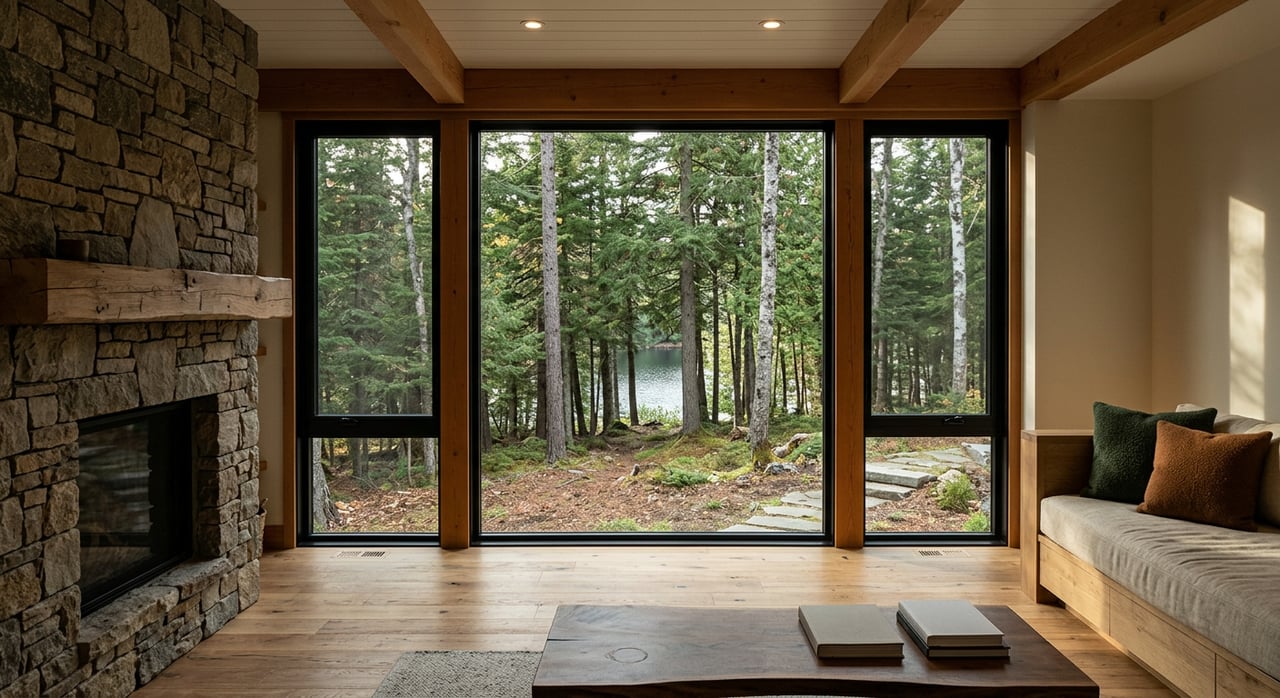
Cabin Shopping In Walker, Hackensack And Longville

Thinking about a northwoods cabin but not sure if Walker, Hackensack, or Longville is the right fit? You are not alone. Each town offers a different lake experience, pace, and set of amenities, and it can be tough to compare them from a distance. In this guide, you will learn how the corridor lays out, how the lakes differ, what cabin types you will find, and a step-by-step checklist to evaluate listings with confidence. Let’s dive in.

Where Walker, Hackensack, and Longville fit on the map

These towns form a short, lake-rich corridor in Cass County. Walker anchors the west side as the county seat on Leech Lake, with the most year-round services. Hackensack sits on Birch Lake near Ten Mile Lake, and Longville lies southeast with a compact, lake-town center. By road, Walker to Hackensack is about 13 miles, and Walker to Longville is about 25 miles, so you can explore multiple lakes in a single day. You can confirm local services and context on the Walker page maintained by the state and community sources (Walker overview).

Choose your lake experience

Ten Mile Lake (Hackensack area)

If you prize clarity and depth, Ten Mile Lake stands out. It is a deep, clear, mesotrophic “Sentinel” lake monitored by the Minnesota DNR for its ecological significance, and it serves as headwaters for the Boy River. The lake reaches a reported maximum depth of about 208 feet, with a mean depth around 53 feet, which supports cool-water species and excellent swimming visibility. Learn more on the DNR’s Ten Mile Lake page and related reports (Ten Mile Lake overview, depth and water quality fact sheet).

Leech Lake (Walker area)

Leech Lake is one of Minnesota’s largest lakes, with many bays, marinas, and a long fishing tradition. You will find more boating infrastructure and tourism services compared with smaller chains, which can be a big plus if you want options for bigger-water days. Like many large lakes, it has active aquatic invasive species (AIS) management, including local monitoring for zebra mussels and other species. Review lake resources and AIS updates to stay current (Leech Lake visitor resources, AIS information).

Woman Lake chain and Longville

In the Longville area, interconnected lakes such as Woman, Girl, and Long Lake let you move by boat between multiple basins. That variety can help you find sheltered water on breezy days or different fishing spots without trailering. Longville’s downtown sits right on Long Lake, which adds easy access to small-town services and seasonal events.

Birch Lake and smaller Hackensack lakes

Birch Lake and nearby small lakes offer a quieter, smaller-scale setting. Shorelines can be shallower or have more emergent vegetation in places, which may suit paddling and relaxed cruising. Hackensack maintains a public ramp on Birch Lake and has basic in-town services.

What daily life feels like through the seasons

Walker offers the broadest set of year-round services for staging visits or longer stays, including lodging, marinas, restaurants, and county services. Hackensack and Longville are more village-scale, with bait and tackle, local retail, and seasonal events. The Paul Bunyan State Trail runs through the area and connects to winter recreation networks, so properties near trailheads see added weekend traffic and easy trail access. Summer is the most active showing season, while winter buyers should confirm plowing, heating fuel delivery, and medical access before committing.

Common cabin and property types

  • Full, private lakefront

    • Direct shoreline and dock access, often at a premium price point.
    • Verify shoreland setbacks, permitted dock or boathouse status, and the recorded ordinary high-water level before planning changes. Local and state rules apply (shoreland and permitting overview).
  • Deeded or shared-access lots

    • Lower entry price with shared docks or beach frontage.
    • Review association covenants for docking, mooring, and structure rules, plus who handles road or snow maintenance.
  • Water-access-only or association-managed access

    • Often more affordable, but day-to-day convenience depends on mooring rights and parking.
    • Read easements closely to confirm launch points and storage allowances.
  • Older seasonal cabins vs year-round homes

    • Seasonal cabins may need septic (SSTS) or well upgrades to meet current codes.
    • Conversions to year-round use typically require permits and inspections. Start with county zoning and sanitation records for clarity on costs and timelines (regulatory basics).
  • Resort or commercial shoreline parcels

    • Different tax classes and operational rules may apply.
    • Confirm use restrictions and any marina or rental considerations before purchase.

Your due diligence checklist

Use this list when comparing cabins in the Walker–Hackensack–Longville corridor. Each point can affect daily use, budget, and long-term value.

  1. Lake type and size
    • Deep, clear lakes often offer higher clarity and cool-water fisheries. Shallow or vegetated lakes can favor warm-water species and calmer paddling. For depth and water quality context, review DNR resources for your short list.
  2. Shoreline composition
    • Note sand, rock, or marsh frontage. Gradual, sandy entries are easier for swimming and wading. Steeper banks can change building setbacks and stair needs.
  3. Shoreline rights and OHWL
    • Dock placement and shore structures depend on the recorded ordinary high-water level and permits. Check records before you budget improvements (shoreland rules).
  4. Public access proximity
    • Being near a public ramp can increase convenience and seasonal traffic. Verify exact launch locations during a site visit.
  5. AIS status
    • Check for recent detections such as zebra mussels or starry stonewort and any cleaning or inspection protocols. Local associations and the DNR post current updates (AIS updates).
  6. Septic (SSTS) and well
    • Confirm compliance status, age, and permit history with the county. Upgrades can be significant, so price them in early.
  7. Shoreland zoning and setbacks
    • Cass County rules meet or exceed state minimums. Ask for current zoning maps before drawing plans or estimating remodel costs.
  8. Access and winter maintenance
    • Verify who plows and maintains roads, especially on private lanes. Municipal pages can note typical seasonal services (Longville city information).
  9. Utilities and internet
    • Many remote areas rely on fixed wireless or satellite. Check local providers for Hackensack and nearby townships to confirm speeds and availability (Hackensack internet options).
  10. Community and lake-association activity
  • Association newsletters reveal AIS efforts, shoreland restoration norms, and event calendars, all useful for understanding expectations (Ten Mile Lake Association history).

A simple plan to narrow your search fast

  • Pick three lake types to test-drive: a deep clear lake like Ten Mile, a large lake like Leech, and a chain lake near Longville. Visit each in one weekend.
  • Pull the DNR lake page and recent reports for each choice, then jot down clarity, depth, and access notes you care about most.
  • Ask the local lake association for recent AIS and shoreline-management updates.
  • Schedule one summer and one winter visit when possible. You will learn a lot about weed growth, boat traffic, and access after a snowfall.

Ready to compare specific cabins or want a second opinion on a listing? Reach out for local guidance, due diligence support, and on-the-ground tours. Start your lake search with Mike Kennedy.
FAQs

What is the main difference between Leech Lake, Ten Mile, and the Woman Lake chain for buyers?

  • Leech offers big-water boating and more marinas, Ten Mile offers deep, clear water and cool-water fisheries, and the Woman Lake chain offers multiple connected basins for variety without trailering.

How far apart are Walker, Hackensack, and Longville in Cass County?

  • Walker to Hackensack is about 13 miles by road, and Walker to Longville is about 25 miles, which makes it easy to tour several lakes in one day.

How do I check aquatic invasive species (AIS) status before buying?

  • Review DNR and local lake association updates for your target lake, then confirm details with the seller and your agent during due diligence.

What should I verify about septic and well systems on older cabins?

  • Ask for septic (SSTS) and well records, compliance status, and permit history from the county. Plan for upgrades if the system is noncompliant or near end of life.

Is winter access reliable for cabins in this corridor?

  • Many roads are plowed, but coverage varies. Confirm who maintains the road, typical plowing schedules, and where snow is piled before you buy.

Work With Mike

Mike offers years of proven experience successfully helping clients, buy, sell and invest in Lake Country Real Estate.